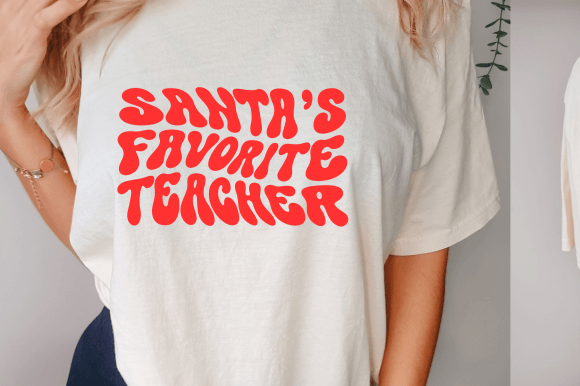
Reviewing the Christmas Teacher SVG for Embroidery
As a designer who spends more time staring at stitch simulations than I do sleeping, I have learned that not every digital file is created equal. When a client or a fellow maker asks me to evaluate a new asset, I look past the glossy mockup and ask one question: how will this actually behave under the needle? Recently, I took a close look at the Christmas Teacher Svg, a digital download intended for various craft applications. While the product description lists it as suitable for everything from mousepads to vinyl decals, my focus was strictly on its viability as a machine embroidery design for real-world projects.
First Impressions and Visual Personality
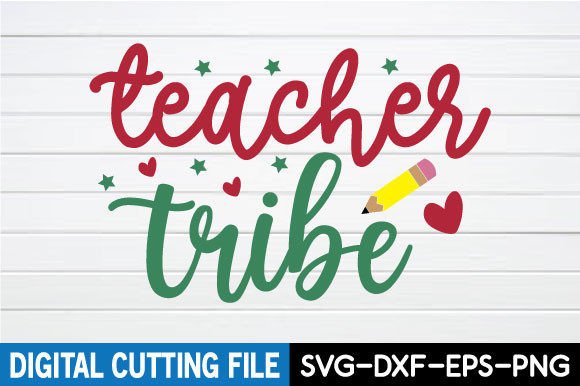
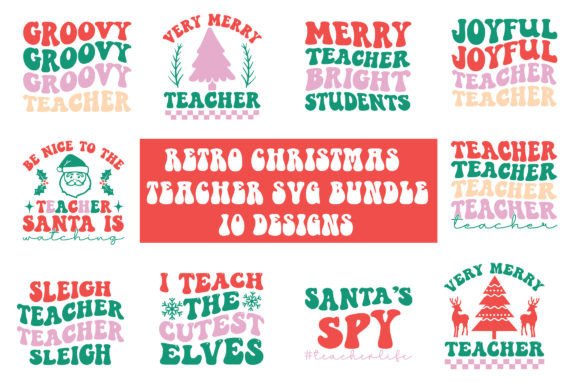
The first thing that strikes you about the Christmas Teacher Svg is its thematic clarity. It captures that specific niche of holiday spirit mixed with professional appreciation. The layout typically balances festive elements—like snowflakes, apples, or holiday typography—with a clean structure that suggests it was designed with versatility in mind. For an embroidery project, this balance is crucial. If a design is too cluttered, it becomes a nightmare to digitize properly; if it is too sparse, it lacks the visual weight needed to stand out on fabric.
The mood here is warm and appreciative. It does not scream for attention with chaotic details but rather offers a composed aesthetic that fits well within the Crafts and Graphics categories. For a designer, this means the base artwork is likely clean, with closed paths and minimal overlapping nodes, which is a good sign for potential digitization or direct use if already converted.
Real-World Application: The Holiday Gift Rush
To truly test the value of this file, I imagined a common scenario for many small shop owners: the December rush. Picture a custom order for a local school’s staff appreciation gifts. You need to produce twenty personalized items quickly. This is where the Christmas Teacher Svg shines as a potential cornerstone for a personalized gift line.
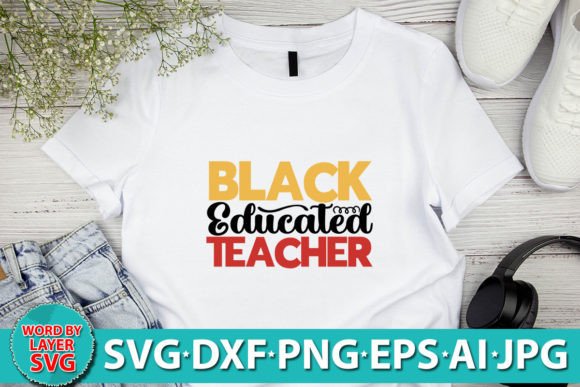
I visualized using this design on a high-quality canvas tote bag design. The sturdy texture of canvas provides an excellent foundation for embroidery, allowing the stitches to sit prominently without sinking into the weave. Alternatively, consider sweatshirt embroidery. A crewneck sweatshirt in heather grey or forest green serves as a perfect backdrop. The design’s theme aligns perfectly with the end-of-semester timeline, making it a highly marketable small shop product for Etsy sellers and boutique owners alike.
The versatility extends to custom apparel beyond just tops. Imagine this stitched onto a durable apron for a home economics teacher or a cozy pillow cover for a classroom reading nook. In each case, the design acts as the focal point, conveying gratitude and seasonal cheer without being overly juvenile.
Technical Considerations for Stitching
Here is where we move from aesthetics to engineering. Using a SVG file for embroidery requires careful preparation. If this file is being used as a source for digitizing, the complexity of the shapes will dictate your stitch types. Simple, bold lines in the Christmas Teacher Svg would translate beautifully into running stitch outlines or crisp satin stitch borders. However, if there are larger filled areas, you must consider fill stitch patterns.
Stitch density is a critical factor. If the original graphic has heavy black areas, blindly converting them to embroidery will result in a stiff, puckered mess. An experienced designer would break these areas up with lighter textures or use an applique design approach, where fabric is layered beneath the stitching to reduce bulk. This is particularly important for baby embroidery or items that need to remain soft against the skin.
You must also consider the hoop size. Before starting, confirm the dimensions of the design. If it is large, it may require a 5x7 or 6x10 hoop, limiting the garments you can easily embroider. For smaller items like caps or baby onesies, you might need to scale the design down, which risks losing detail in tiny lettering or intricate corners.
Fabric and Stabilizer Strategy
The success of any embroidery project depends heavily on the interaction between thread, fabric, and stabilizer. For the Christmas Teacher Svg, I recommend testing on scrap fabric first. Textured fabrics like terry cloth or waffle knit can obscure fine details, so a simpler version of the design might be necessary. Conversely, smooth cotton blends allow for higher precision.
When working with stretchy fabrics, such as those used in custom apparel like t-shirts, a cut-away stabilizer is non-negotiable to prevent distortion after washing. For woven fabrics like tote bags or pillow covers, a tear-away stabilizer might suffice, but always test for stability. The choice of thread colors also plays a massive role in visual appeal. High contrast threads make the design pop, while tonal threads offer a subtle, sophisticated look suitable for boutique branding.
Commercial Viability and Brand Consistency
For Etsy sellers and creative entrepreneurs, the Christmas Teacher Svg represents more than just a pretty picture; it is a potential revenue stream. However, professionalism is key. A poorly stitched design damages brand consistency and customer trust. Ensure that the finished product looks clean on the backside as well as the front. Trim jump stitches carefully and press the item to remove hoop marks.
This design fits well into a broader collection of holiday embroidery assets. By maintaining a consistent style across your design assets, you build recognition among buyers. Whether you are creating printed mockups for your online store or producing physical embroidered patch items, the clarity of the original SVG helps ensure that your marketing materials accurately reflect the final quality.
Practical Designer Notes
Before you commit to a large production run, keep these practical tips in mind:
- Check Licensing: The product description mentions it is a digital download for craft ideas. Always confirm if the license allows for commercial use of finished items. Do not assume; read the terms provided by the seller.
- Test on Dark Fabrics: If you plan to stitch this on navy or black garments, ensure the design includes underlay stitches or use a white backing fabric to prevent the garment color from showing through the stitches.
- Inspect Small Details: Zoom in on the SVG. Are there tiny fragments that might not stitch well? Simplify these areas before digitizing or printing.
- Mockup Verification: Use digital tools to place the design on various product templates. This helps visualize scale and proportion before wasting thread and fabric.
- Wash Testing: Always wash a test sample. Check for thread bleeding, shrinkage, or stitch loosening. This step is vital for maintaining customer satisfaction.
Final Verdict
The Christmas Teacher Svg is a solid candidate for holiday-themed projects, provided it is handled with technical care. It offers a charming aesthetic that resonates with teachers and gift-givers alike. For the craft business owner, it presents an opportunity to create meaningful, high-value items like tote bags, sweatshirts, and pillow covers. By paying attention to stitch density, fabric choice, and proper stabilization, you can transform this digital file into a standout handmade product. Remember, the best designs are those that respect the limitations of the medium while maximizing its expressive potential. Treat this SVG not just as a graphic, but as a blueprint for a tactile experience, and your customers will feel the difference in every stitch.