Reviewing the Happy Last Day of 1st Grade Design
As an embroidery designer who spends more time staring at digitized paths than I do sleeping, I approach every new machine embroidery design with a healthy dose of skepticism. We have all been there: you download a cute graphic, load it onto your machine, and watch in horror as the thread nests into a bird’s nest because the density was off or the underlay was nonexistent. That is why I took a close, practical look at the Happy Last Day of 1st Grade Kindergarten design. This is not just another generic school-themed clipart; it is a specific asset aimed at the bustling market of end-of-year celebrations, and for those of us running a craft business, timing and execution are everything.
First Impressions and Visual Personality
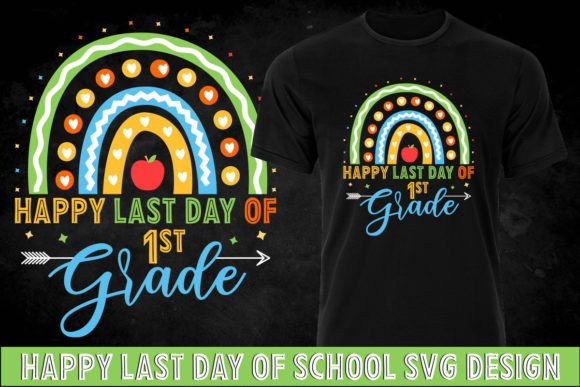
The first thing that strikes me about this piece is its inherent cheerfulness. The layout balances playful typography with thematic elements that scream "celebration" without being overly cluttered. For a designer, clutter is the enemy of clean stitching. When I evaluated the visual personality of the Happy Last Day of 1st Grade Kindergarten file, I looked specifically at how the shapes interact. Does the text compete with the graphics? In this case, the hierarchy seems well-considered. The mood is light, triumphant, and nostalgic, which is exactly what parents are looking for when they commission a personalized gift for their child’s milestone.
From a Graphics perspective, the lines appear clean, which suggests that the digitizer likely used appropriate running stitch outlines to define edges before filling them in. This is crucial for maintaining clarity, especially when dealing with smaller text elements that can easily blur together if the stitch density is too high. The design feels like it belongs naturally on items that celebrate growth and transition, making it a strong candidate for spring and early summer production schedules.
Real-World Application: The Tote Bag Test
To truly understand how a design performs, you have to imagine it on a real product. I recently worked on a batch of custom canvas tote bag design projects for a local preschool’s end-of-year party. This is where the Happy Last Day of 1st Grade Kindergarten design shines. Canvas provides a stable, woven surface that holds stitches well, allowing the fill stitch areas to pop without sinking into the fabric.
If you are an Etsy seller or a small shop owner, consider this: parents love functional memorabilia. A tote bag filled with summer reading books and sunscreen, embroidered with this cheerful message, becomes a keepsake rather than just another shirt that might get stained. The design’s proportions seem suited for a standard 5x7 or 6x10 hoop, making it versatile for both bags and larger apparel items. However, always check the specific dimensions in the product description to ensure it fits your intended hoop size.
Apparel and Custom Sweatshirts
Beyond bags, custom apparel is the bread and butter of the embroidery world. I envision this design working beautifully on a lightweight sweatshirt embroidery project. The soft texture of fleece or French terry cloth requires careful tension management, but the bold nature of the lettering in this design should hold up well. For baby embroidery or younger children’s clothing, you might want to scale it down slightly, but be cautious. Scaling down too much can cause the letters to merge, losing legibility. Always run a test stitch on scrap fabric of the same weight before committing to the final garment.
Navigating Fabric Challenges and Technical Details
While the design is charming, it is not without its technical demands. Embroidery is a partnership between the digital file and the physical medium. Here is where my experience as a reviewer comes into play. If you are planning to stitch this on textured fabrics, such as a waffle-knit towel or a rough linen, you need to pay attention to the thread colors you choose. High contrast is your friend here. A dark thread on a dark fabric will hide the details of the Happy Last Day of 1st Grade Kindergarten message, rendering the effort invisible.
Furthermore, consider the use of stabilizer. For stretchy fabrics like jersey knits used in t-shirts, a cut-away stabilizer is non-negotiable to prevent puckering. The design includes areas that likely utilize satin stitch for borders or accents. Satin stitches are gorgeous but can pull on thin fabrics if the underlay is insufficient. If you are new to using this file, I strongly advise checking the stitch count and density settings in your embroidery software if possible, or simply testing on a similar fabric scrap first.
- Test on scrap fabric: Never skip this step, especially with new designs.
- Check thread contrast: Ensure the text stands out against the background.
- Verify hoop size: Confirm the design fits your machine’s maximum area.
- Use proper stabilizer: Match the stabilizer to the fabric weight and stretch.
Commercial Viability and Brand Consistency
For those of us selling design assets or finished products, the commercial viability of a design is paramount. The end-of-school season is a peak revenue period. Having a reliable, high-quality digital embroidery file like this one allows you to create a cohesive collection. You can pair it with matching "First Day" designs or teacher appreciation gifts to build a stronger brand narrative.
When customers see clean, professional stitching, their trust in your handmade product increases. Sloppy edges or thread breaks kill buyer engagement. This design, with its clear lines and balanced composition, supports a professional finish. It works well for commercial embroidery because it is recognizable and readable from a distance, which is essential for items like caps or patches that might be viewed quickly.
Careful Considerations for Specific Items
There are places where you should use this design with caution. Curved surfaces, like the front of a baseball cap, require careful hooping and possibly a different digitizing approach than flat fabrics. If this design was not specifically digitized for caps, the curvature might distort the text. Similarly, avoid placing dense areas of this design on very thin silks or rayons unless you are an expert at managing tension. The embroidered patch route is a safer bet for complex fabrics; you can stitch the design on a stable backing and then applique it onto the difficult garment.
Final Verdict for Makers and Designers
In the world of Crafts, we are always looking for that sweet spot between aesthetic appeal and technical feasibility. The Happy Last Day of 1st Grade Kindergarten design hits that mark for most standard applications. It is a joyful, relevant, and commercially viable asset for the spring season. Whether you are creating a holiday embroidery gift for a niece, stocking your online store with small shop product listings, or making a printable mockup for your portfolio, this design offers a solid foundation.
Remember, the best embroidery is not just about the file; it is about the execution. Take the time to select the right fabric texture, match your threads thoughtfully, and respect the limitations of your machine. By treating this design as a professional tool rather than just a pretty picture, you elevate the perceived value of your finished product. For the creative entrepreneurs and hobbyists ready to tackle their next project, this design is a worthy addition to your library, provided you do your due diligence on sizing and stabilization. Happy stitching!